Here is the English translation with image captions, promotional references, and decorative separators removed, while preserving all information:
San Miguel de Allende Celebrates the Shared Heritage of Mexico and the Philippines Through Gastronomy
In San Miguel de Allende, a cultural event involving authorities and diplomats celebrated the 128th anniversary of Philippine Independence, promoting the shared heritage between Mexico and the Philippines through gastronomy and historical exchange.
Gastronomy became the meeting point between Mexico and the Philippines during the event “Linamnam: Mexico–Philippines, the Table That Unites Us,” organized as part of the 128th anniversary of Philippine Independence. Diplomatic representatives, government officials, and cultural promoters highlighted the historical ties that have connected both nations for more than two centuries.

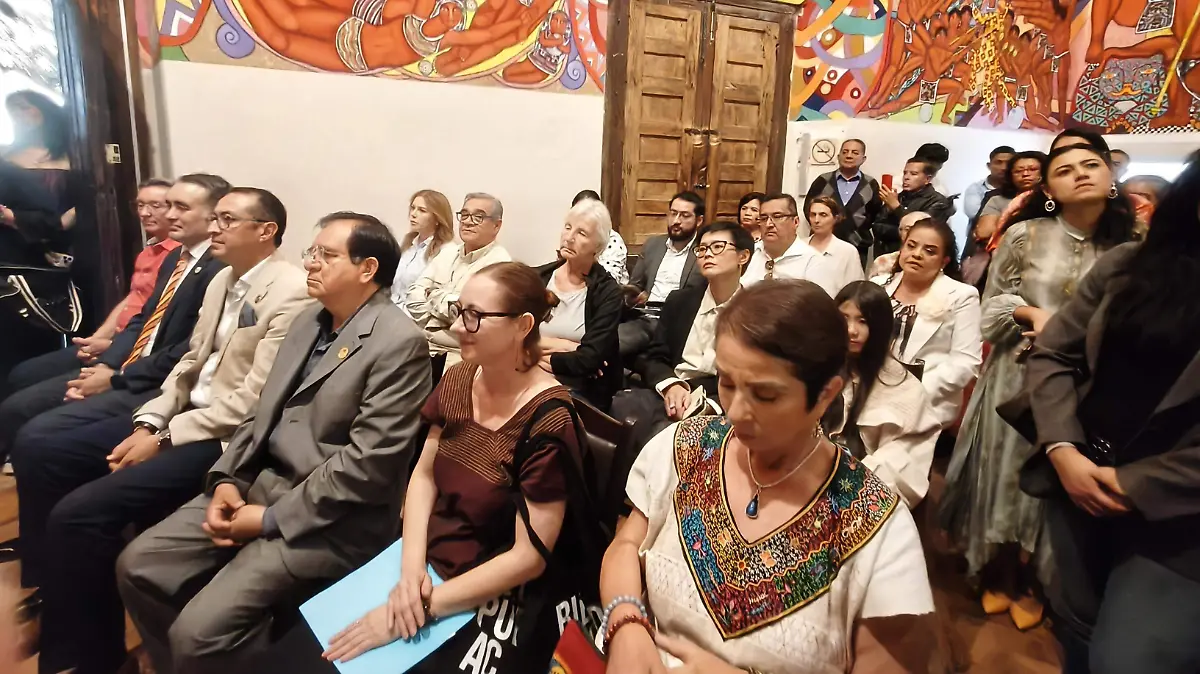
The event took place at the Public Library of San Miguel de Allende and brought together members of the local community, government representatives, and attendees interested in learning about Filipino cultural heritage through a culinary demonstration and a tasting of traditional dishes.
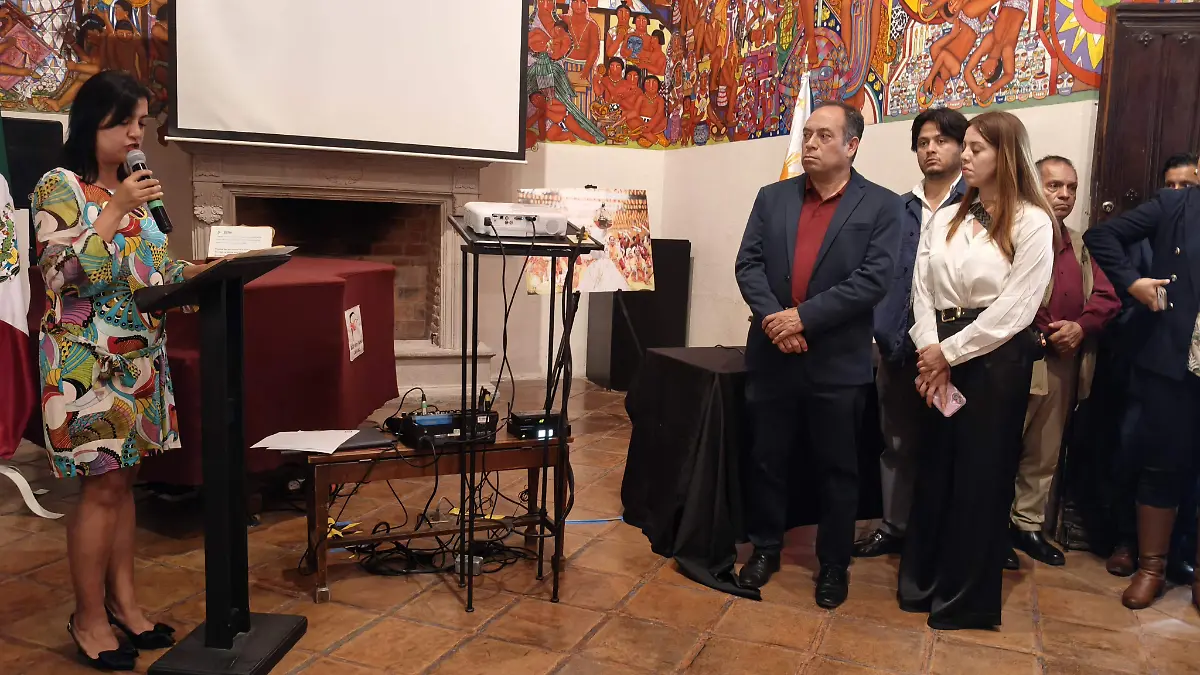
Through a virtual message, the Ambassador of the Philippines to Mexico emphasized that Filipino cuisine represents a fundamental part of the country’s identity and serves as an expression of community, history, and tradition. He noted that gastronomy provides insight into the cultural processes that have shaped societies and recalled that Mexico and the Philippines maintain a historical relationship built through commercial and cultural exchange.
He explained that the Manila Galleon was one of the principal links between Asia and the Americas, facilitating the exchange of products, ingredients, and knowledge that left a lasting impact on both cultures. He noted that ingredients native to the Americas, such as chili peppers and tomatoes, were incorporated into Filipino cuisine, while Asian products found their place within Mexican gastronomy.
The diplomat also stated that food serves as a means of preserving the collective memory of peoples and that recipes passed down through generations retain family histories while reflecting the cultural exchanges that have occurred over time.
Federal Deputy Alma Rosa de la Vega also participated in the event, highlighting that cultural spaces make it possible to identify shared elements between nations and strengthen collaborative ties among their communities.
The legislator stated that gastronomy serves as a pathway for understanding the historical and cultural processes that have connected different peoples. She noted that activities such as this one allow the public to engage with cultural expressions that form part of the identity of other countries and contribute to mutual understanding between societies.
She also recognized the efforts of the Embassy of the Philippines in Mexico, the Mexico–Philippines Friendship Group, and the participating institutions for organizing the event in San Miguel de Allende.
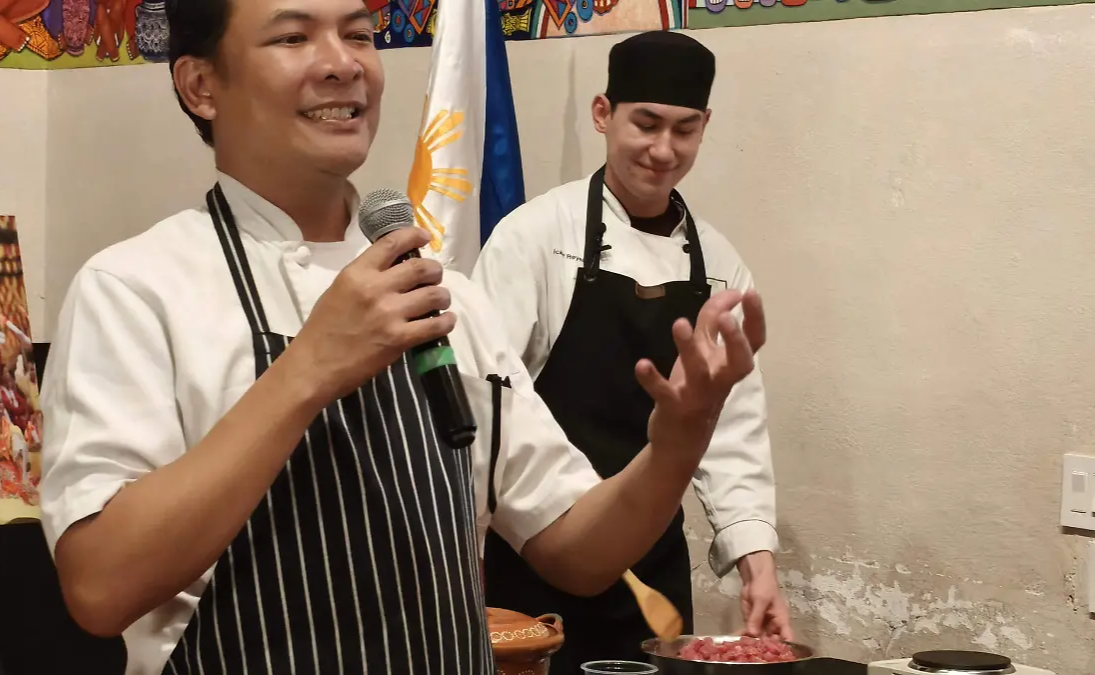
The culinary portion of the event was led by Chef Anthony Gerard Gomez, who presented a cooking demonstration based on traditional Filipino recipes.
The chef explained the origins of Kinilaw, a dish prepared with fresh fish cured using coconut vinegar, citrus, and aromatic ingredients. He stated that it is one of the oldest documented culinary traditions in the Philippine archipelago and that its origins date back to periods before the arrival of the Spanish in the islands.
During his presentation, he explained that salt and vinegar are essential components of the dish because they play a key role in the preservation and transformation of the fish. Attendees observed each stage of the preparation while learning about the ingredients and techniques involved.
In addition to Kinilaw, the chef presented Maja Blanca, a dessert made from coconut milk and corn that is traditionally served during family celebrations and festivities in the Philippines.
The tasting allowed attendees to experience flavors and preparation techniques connected to the gastronomic history of the Asian nation, while also identifying elements shared with Mexican cuisine as a result of centuries of cultural exchange.
Source: oem